
27th September 2026
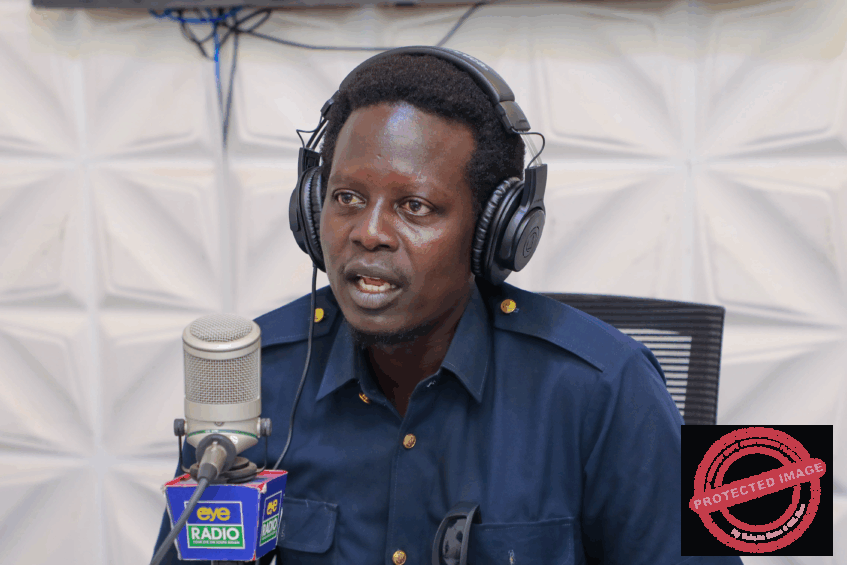
Journalist and author Dengdit Ayok discusses press freedom on Eye-Radio on September 19, 2025 - Credit: Darlington Moses
JUBA, South Sudan (Eye Radio) — In a country where freedom of the press is a constant struggle, a prominent South Sudanese journalist and author, Dengdit Ayok, has shed light on a dangerous misconception: that journalists are spies.
He argues that this view, prevalent in some parts of the country, is a primary reason for the challenges faced by media professionals, including assault and abuse.
In a recent interview with Eye-Radio’s Sundown program, Ayok attributed this lack of understanding to a gap in civic education.
He explained that many people, especially in military-controlled regions, do not grasp the fundamental role of journalism in society.
“There is a misconception about who journalists are and what they do,” he said.
“In some areas, a journalist is seen as a spy, getting information to send somewhere. And because they are perceived to be spies, that’s why they are assaulted and abused.”
Ayok highlighted that this is a persistent issue, noting that public awareness about the purpose of journalism is minimal.
He drew a parallel to the past, when lawyers faced similar abuse and misunderstanding before their role was better understood and respected.
Beyond the threat of physical harm, journalists also face a consistent denial of access to information.
Ayok condemned the practice of blocking journalists from sensitive or classified information, emphasizing that the public has a right to know.
He pointed to international conventions that protect freedom of expression, asserting that denying journalists access to information that is within the bounds of the law is fundamentally wrong.
Ayok’s comments arrive at a critical time, as recent human rights reports continue to document widespread intimidation and denial of access to information for journalists attempting to expose corruption scandals.
His message underscores the urgent need for a shift in public perception to ensure a safer and more transparent environment for media in South Sudan.

Currently on air
19:00:00 - 19:30:00
 1
1Published September 22, 2026
Published September 22, 2026
Published September 22, 2026
 4
4Published September 22, 2026
Published September 22, 2026
 6
6Published September 22, 2026
 7
7Published September 22, 2026
Published September 22, 2026
Published September 22, 2026
Published September 22, 2026
Published September 22, 2026
Published September 22, 2026
Published September 22, 2026
Support Eye Radio, the first independent radio broadcaster of news, information & entertainment in South Sudan.
Make a monthly or a one off contribution.
Copyright 2026. All rights reserved. Eye Radio is a product of Eye Media Limited.